
Don’t be caught by romance fraud on Valentine’s Day
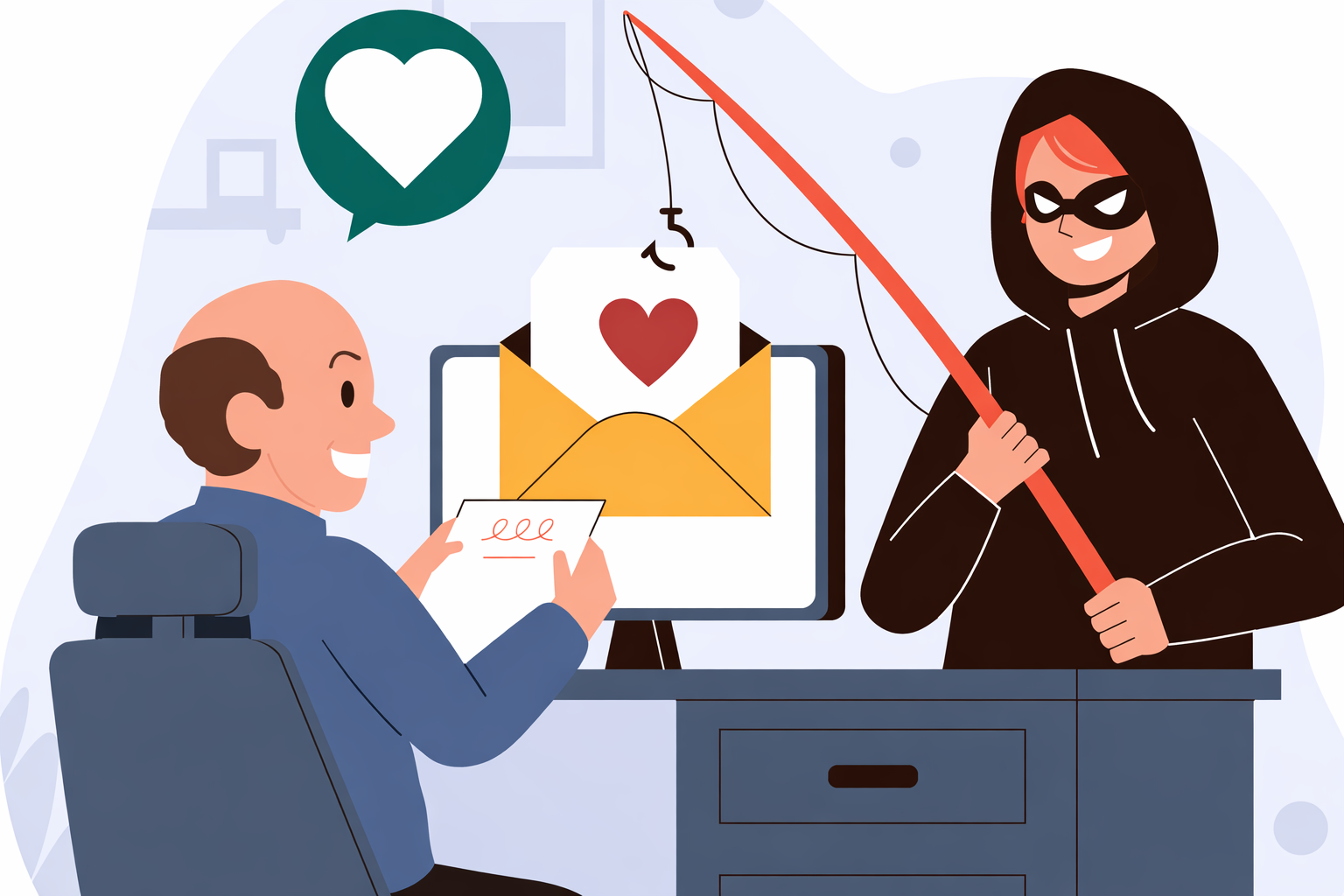
Romance fraud cases rose by nine per cent in 2024/25 with victims collectively losing a staggering £106 million
SATURDAY is Valentine’s Day and many will be celebrating relationships, companionship and connection but sadly, it is also a time when criminals exploit those looking for love.
Police and fraud prevention partners have warned that romance fraud continues to rise, with cases in the UK increasing by nine per cent in 2024/25 and victims collectively losing a staggering £106 million.
Romance fraud is a cruel and manipulative crime where offenders create fake relationships to steal money, gifts or personal information. It can happen to anyone, regardless of age, background or experience with online dating. What begins as friendly conversation can quickly develop into what feels like a genuine emotional bond, but the offender’s intentions are purely financial.
Fraudsters often make first contact through dating apps, social media or messaging platforms. They will usually try to move conversations away from official platforms quickly and onto private or encrypted messaging services, making it harder to track their activity. They may spend weeks or even months building trust before asking for money, often using convincing stories about emergencies, travel costs, medical problems or investment opportunities.
Download our leaflet on to spot
and prevent romance fraud here
There are several warning signs to watch for. Criminals frequently use stolen or AI-generated photographs and may claim to work overseas in roles such as the military, medicine or offshore industries. They often avoid video calls or face-to-face meetings, offering repeated excuses for cancelled plans. Many use ‘love bombing’ tactics, sending intense romantic messages early in the relationship to lower defences and build emotional dependency.
Victims are sometimes encouraged to keep the relationship secret, as fraudsters know friends and family may spot warning signs. They may also request payment through unusual methods such as gift cards or cryptocurrency, or ask victims to share personal documents or allow access to bank accounts.
If you receive unexpected requests for money or personal information, stop and think. Speak to someone you trust before sending money and always follow advice from your bank.
Anyone who believes they have been targeted should contact their bank immediately and report the matter to Report Fraud or call 159 to reach their bank safely.
Wiltshire Police recently caught a woman who conned men into spending tens of thousands of pounds and funding her expensive lifestyle has pleaded guilty to more than a dozen counts of theft and fraud.
Read more here.