
Stay Safe Online

A group of our Stay Safe Online volunteers at police headquarters
Our service
If you are aged over 60 or 18+ with a registered disability, one of our trained Stay Safe Online volunteers can visit you in the comfort of your home and provide the following:
Improve your digital/cyber security awareness;
Offer cyber and scam prevention advice;
Signpost you to future advice and resources;
Provide support and reassurance; and,
Offer basic practical skills to enable you to check and understand privacy settings
Our volunteers are also available to give talks to groups free of charge.
People can refer themselves for a visit, but the team will also be taking referrals from the police for those who have already encountered problems with online crime.
To make a referral to Stay Safe Online, or to request group talks, email our Stay Safe Online Team direct at: BobbyVanOnlineSafety@wbvt.org or call on: 01225 25686
How to report a fraud

You can report fraud or cybercrime to Action Fraud any time of the day or night to Report Fraud or by calling 0300 1232040 (Monday to Friday, 8am to 8pm). The online tool will guide you through simple questions to identify what has happened and advisors are available 24 hours with help and advice if you need it.
When reporting online you will be given the option to register, login to an existing account or continue as a guest.
If you have received an email which you’re not quite sure about, forward it to the Suspicious Email Reporting Service (SERS)on: report@phishing.gov.uk.
Most phone providers are part of a scheme that allows customers to report suspicious text messages for free by forwarding it to 7726. If you forward a text to 7726, your provider can investigate the origin of the text and arrange to block or ban the sender, if it’s found to be malicious.
Vulnerable victims
Action Fraud exists to ensure that victims of fraud have a central place to go to report crime and get advice and support. They are committed to providing the best service possible to victims of fraud and those who need advice.
Its partnership with the charity Victim Support is central to this commitment and this is why everyone who reports a fraud to them has the option to receive support from the charity afterwards.
The Victims’ Code also makes an enhanced service available to vulnerable victims. Under the code, a vulnerable victim is classified as:
Anyone under the age of 17 at the time of the offence
Anyone who is suffering from a mental disorder within the meaning of the Mental Health Act 1983
Those with a significant impairment of intelligence and social functioning
Those with a physical disability or who suffer from a mental disorder
If you want to contact Action Fraud on behalf of a vulnerable victim, they will provide an enhanced service to help. Please make it clear that you are contacting them on behalf of a vulnerable victim.
Reporting directly to the police
If the suspect is a ‘known’ local suspect, the person reporting should report the matter directly to police, who should deal with the matter under the ‘call for service’ criteria’.
Reporting fraud to other organisations
If your report relates to any of the below, follow the links to report it to the correct organisation.
Theft of a vehicle.
Suspicious online behaviour with or towards a child.
Online hate or bullying crime, material or messages.
Counterfeit medicine or medical devices available to purchase online.
Business or personal tax fraud or a related HMRC (Her Majesty's Revenue and Customs) matter.
“Thank you for inviting me along to the volunteers’ training day.
I found it very thought provoking, and realised that there is a genuine need for this service in the community. This applies particularly
to the elderly, who, like me, are not conversant with computers, and could easily be hoodwinked by some of these clever scams.”
Jill Harvey
On the radio
Courier fraud advice
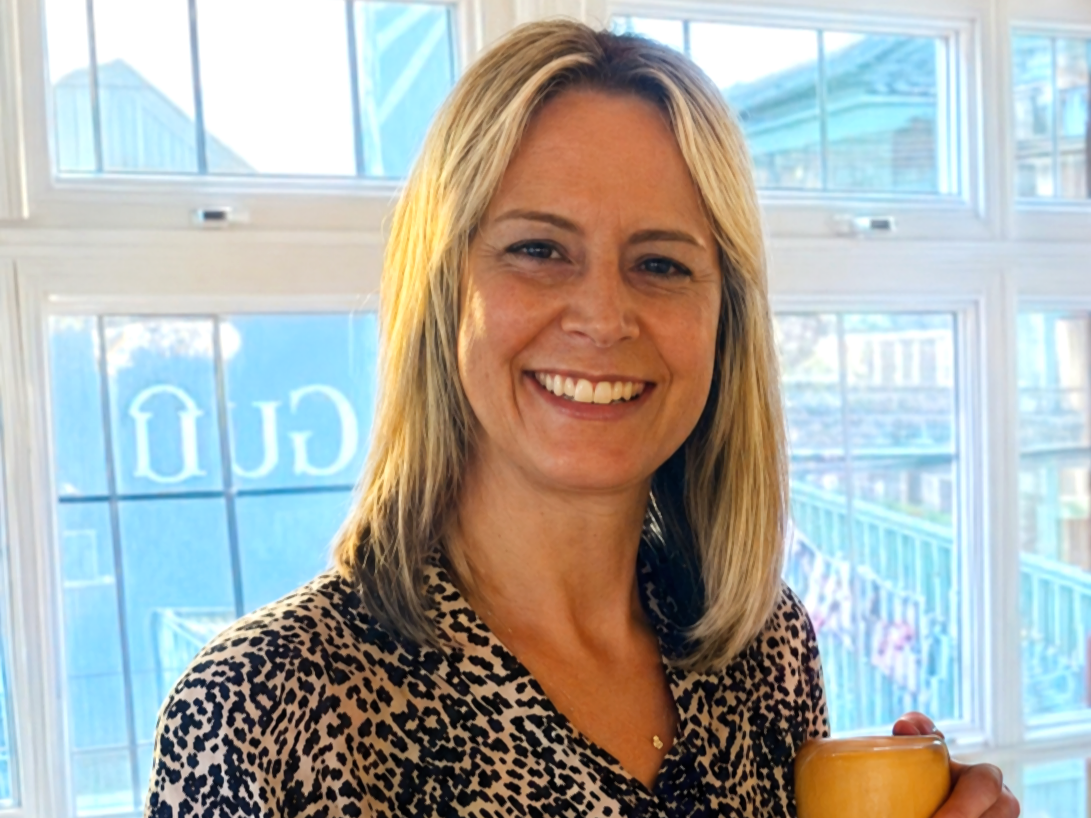
Listen to Rachel Davies, our Stay Safe Online SSO Referral Lead and Manager Support, talking to BBC Wiltshire's Ben Prater about a fast-growing and complex scam that cost a listener £2,000.
Staying safe online
Listen to Rachel Davies, our Stay Safe Online SSO Referral Lead and Manager Support, talking to BBC Wiltshire's Sue Davies about staying ahead of the scammers.
Password advice
Listen to our Stay Safe Online volunteer Glyn Whittick passing on some timely advice to BBC Wiltshire's Sue Davies about creating and keeping safe passwords on World Password Day.

Other resources
Stay Safe Online WBVT leaflet
Government Stop Fraud website
Get Safe Online website
Stay Safe Online poster
Wiltshire and Swindon
Community Messaging Service
What is it?
Free messages from your local Community Policing Team about policing and crime matters in your area.
Free messages from Dorset and Wiltshire Fire and Rescue Service relevant to your local area.
You can receive messages by email, text or voicemail.
You can choose which organisations to receive messages from and the type of information you receive.
Currently messages are being sent by Wiltshire Police, Wiltshire and Swindon Neighbourhood Watch, Dorset and Wiltshire Fire and Rescue Service and Action Fraud. Messages are also now sent from Farm Watch via Community Messaging.
You can reply to messages, for example from your local police officers with information to help them better police your area.
You can also join a neighbourhood Watch scheme in your area or request to start a new one.
Swindon Community Messaging aims to improve the flow of information between communities and the local police and fire service.
Talks to groups
Our advisors are also available to give talks at community events.
To arrange an appointment with, or talk from, our Stay Safe Online Volunteers email our team at: BobbyVanOnlineSafety@wbvt.org or call us on: 01225 256867